Where to bowfish in Tennessee?
Looking to try your hand at bowfishing in Tennessee? You’re in the right place. Whether you’re a seasoned archer or a curious first-timer, bowfishing is a thrilling way to combine the skills of archery and fishing—all while exploring some of Tennessee’s most scenic waterways. From sprawling reservoirs to slow-moving rivers, the Volunteer State offers tons of prime bowfishing spots with opportunities to target species like carp, gar, and buffalo. In this guide, we’ll share the best places to bowfish in Tennessee, what gear you’ll need, and helpful tips for having a responsible and exciting experience on the water.
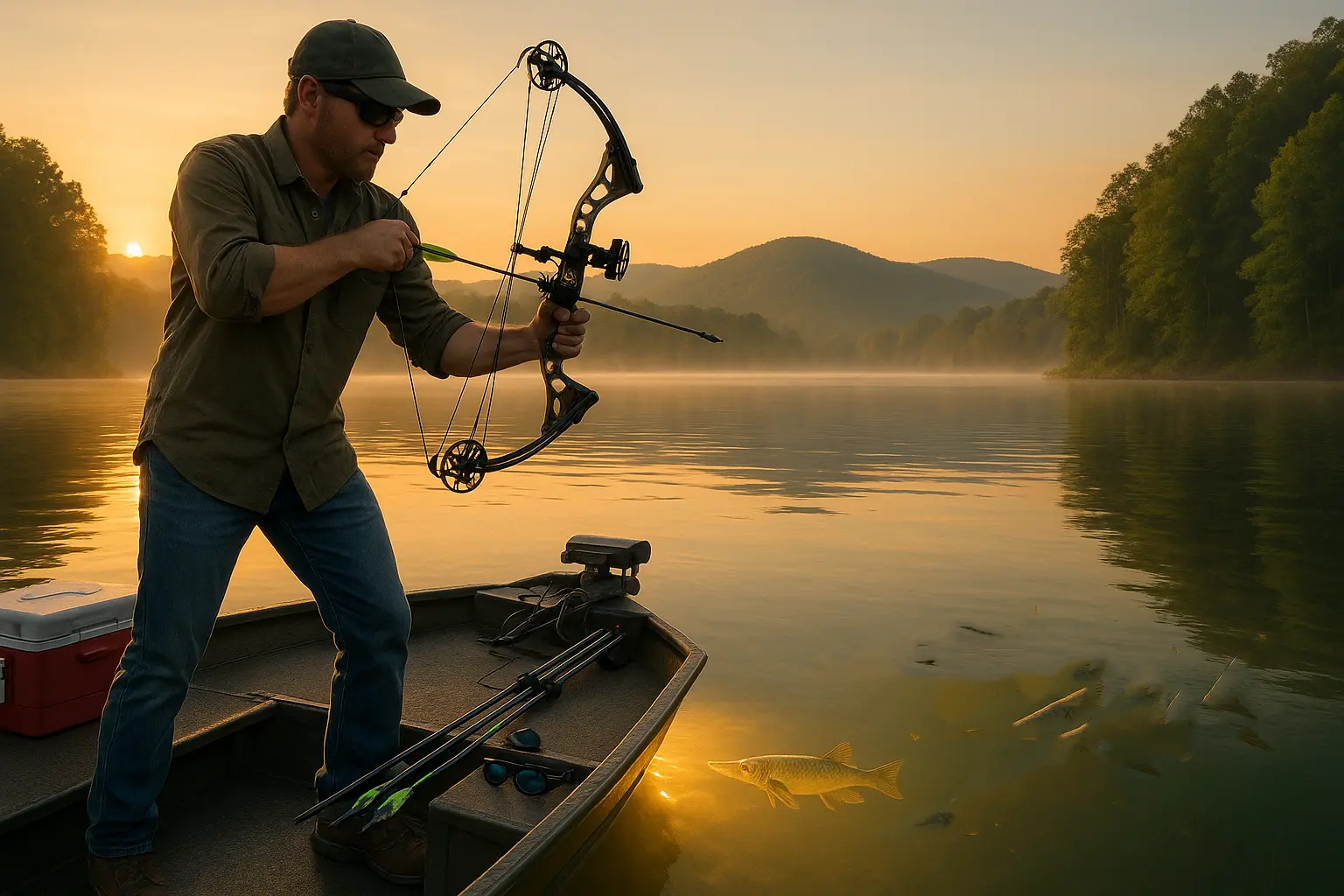
What Is Bowfishing?
Bowfishing is a unique outdoor sport that blends fishing and archery. Using a specialized bow fitted with a reel and line, anglers shoot arrows at fish in shallow waters. It’s usually done from a boat with bright lights at night or during the day when the water is clear and shallow. Bowfishing is typically used to target rough fish species that are not protected, such as common carp, grass carp, gar, and buffalo.
Best Places to Bowfish in Tennessee
Tennessee is full of lakes, rivers, and reservoirs that are perfect for bowfishing. Here are some of the top spots where you’re likely to find success:
- Kentucky Lake: One of the largest reservoirs in the Southeast, Kentucky Lake near Paris Landing State Park is known for its sizeable carp and buffalo populations. Wide, shallow areas make for great visibility, particularly at night. Public boat ramps and shoreline access make it very bowfisher-friendly.
- Pickwick Lake: Located on the state’s southwest border, Pickwick is teeming with invasive species like Asian carp, making it a hotspot for bowfishers. The lake sees less pressure compared to other big bodies of water, which can mean better success rates.
- Dale Hollow Lake: Straddling the Tennessee-Kentucky border, Dale Hollow offers crystal-clear water that’s ideal for daytime bowfishing. You’ll find gar, buffalo, and carp in abundant numbers near the shallower coves and tributaries.
- Old Hickory Lake: Just outside of Nashville, this reservoir offers easy access for middle Tennessee residents and good fishing near the tributary creeks. Hit it in the spring for some of the best action.
- Tennessee River: The entire stretch of the Tennessee River is productive for bowfishing. Launching from accessible towns like Knoxville, Chattanooga, or Savannah (TN) offers numerous opportunities to find feeding fish in backwaters and tributaries.
What You’ll Need: Bowfishing Gear Basics
Getting started in bowfishing doesn’t have to be expensive, but you’ll want the right gear to make the most of your time on the water:
- Bowfishing Bow: Either a compound or recurve bow modified to shoot special bowfishing arrows. Look for lightweight bows with moderate draw weights (30-50 lbs).
- Reel and Line: Most bowfishing setups include a bottle-style or retriever reel loaded with heavy-duty braided line (usually 80–200 lbs test).
- Bowfishing Arrows: These arrows are made of fiberglass or carbon and have barbed tips to hold fish. They do not have fletching like standard arrows.
- Lights (for night fishing): LED lights mounted on your boat help illuminate fish at night, which is when bowfishing is easiest and most exciting in murky or deep water.
- Polarized Sunglasses: If you’re going during the day, polarized lenses help cut glare and spot fish in shallow waters.
Best Time of Year for Bowfishing in Tennessee
Bowfishing is allowed year-round in Tennessee, but late spring through early fall is prime season. As water warms up and fish move into shallow areas to spawn, they’re easier to spot and shoot. Here’s a quick seasonal breakdown:
- Spring (April–June): Fish like carp and gar move into shallow water to spawn, making this the best time for bowfishing. Water clarity is usually good, and the weather is comfortable.
- Summer (July–August): Night fishing becomes more popular as daytime temperatures rise. Fish remain active after sunset and are easier to shoot under lights.
- Fall (September–October): Fish begin to move deeper, but with the right location and timing, you can still have success.
- Winter (November–March): Bowfishing gets tougher due to cold water and lower visibility. Diehard anglers may still find gar in warm-water discharge areas near power plants.
Rules and Regulations
Before heading out, make sure you’re following all Tennessee Wildlife Resources Agency (TWRA) guidelines. Key points include:
- You must have a valid Tennessee fishing license to bowfish. Check out licensing options on the TWRA license page.
- Bows may be used to harvest non-game fish only. These include carp, gar, buffalo, shad, and drum. Game fish (like bass or crappie) may not be taken with archery equipment.
- Trash fish—especially invasive Asian carp—should be disposed of responsibly. Never leave them on riverbanks or near boat ramps.
- At night, make sure your boat is properly equipped with required navigation lights and that you follow all local boat operation rules.
Tips for a Successful Bowfishing Trip
Bowfishing may seem as simple as aiming and shooting, but success often depends on timing, technique, and patience. Here are a few helpful tips from Tennessee bowfishers:
- Aim low: Because light refracts in water, aim several inches below where the fish appears to be. It takes practice, but you’ll get the hang of it with time.
- Scout locations during the day: Spotting fish movements ahead of time will help tremendously when you’re fishing at night.
- Use small creeks and tributaries: Fish hold in these shallow, weedy areas more consistently, especially in spring and early summer.
- Stay quiet: Fish can spook easily in shallow water. Muffle sounds and use trolling motors at low speeds.
Conclusion
Bowfishing in Tennessee offers an exciting, hands-on alternative to traditional fishing, all while helping manage invasive fish species. Whether you’re paddling down a quiet cove on Dale Hollow or lighting up the night on Kentucky Lake, there’s no shortage of action for bowfishers in the Volunteer State. Remember to gear up properly, follow regulations, and most of all, have fun out there. Happy bowfishing!