
What is hunting is Tennessee known for?
Whether you're a seasoned hunter or just looking to explore Tennessee’s wild side, the Volunteer State offers a rich and diverse hunting experience that's deeply rooted in its cultural and natural heritage. From the rolling hills of Middle Tennessee to the rugged terrain of the Appalachian Mountains in the east, this southern gem is known for an abundance of game, friendly hunting communities, and accessible public lands. If you're wondering what Tennessee is known for hunting, this guide will walk you through the top game species, best seasons, and helpful tips to make the most of your trip into the woods.
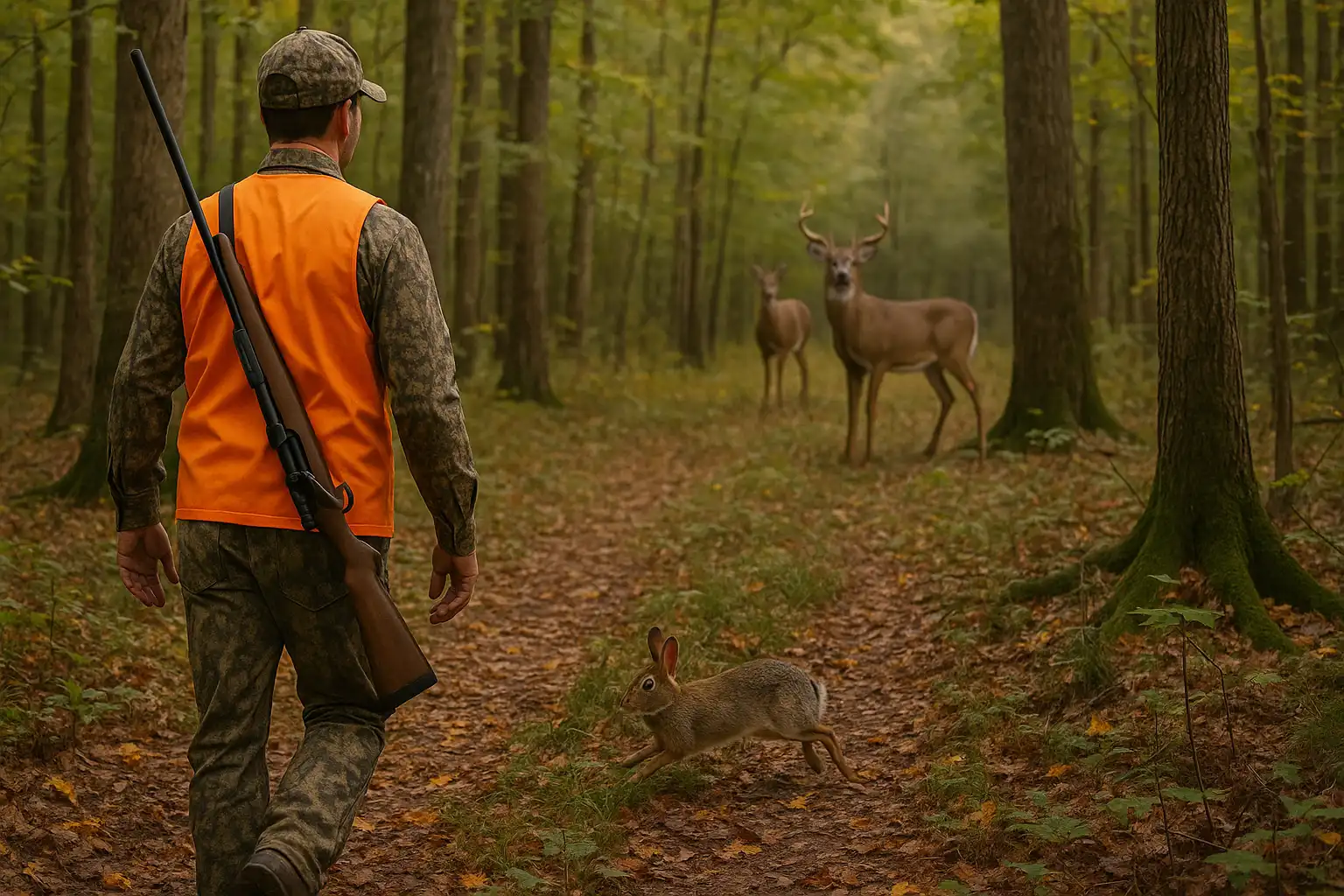 Top Game Animals in Tennessee
Thanks to its varied terrain and healthy ecosystems, Tennessee supports a wide range of both small and big game species. Here’s what hunters commonly pursue across the state:
- White-tailed Deer: Without a doubt, white-tailed deer are the most popular game animal in Tennessee. With an estimated population of over 900,000 deer, the odds are in your favor for a successful outing.
- Wild Turkey: Tennessee is known for excellent spring and fall turkey hunting. The state's commitment to turkey conservation has made it one of the top destinations in the Southeast for gobblers.
- Black Bear: The mountainous eastern region of Tennessee, particularly around the Great Smoky Mountains and Cherokee National Forest, is home to a thriving population of black bears.
- Waterfowl: Along the Mississippi Flyway, West Tennessee attracts a variety of ducks and geese during migration. Reelfoot Lake is a particularly popular spot for waterfowl hunting.
- Small Game: Squirrel, rabbit, raccoon, and other small furbearers are abundant and offer great opportunities, especially for new hunters or those looking for a quick day hunt.
- Feral Hogs: While not considered traditional game, feral hogs pose a significant ecological threat and can be hunted year-round in certain areas. Rules vary, so be sure to check regulations.
Hunting Seasons and Best Times of Year
Tennessee offers a variety of hunting seasons, and planning your trip around peak times can lead to better success. Here's a breakdown of some general season dates, though specific zones and regulations may affect these:
- White-tailed Deer: Archery begins in late September, muzzleloader in early November, and gun season runs from mid-November to early January.
- Wild Turkey: Spring turkey season typically opens in early April and runs through mid-May. A shorter fall season is also available in select counties.
- Bear: Bear hunting seasons vary by zone but usually fall between mid-September and early December.
- Waterfowl: Duck and goose seasons generally run from late November through January, aligning with migration patterns.
- Small Game: Squirrel season starts as early as August and goes through the end of February, with many other small game species overlapping.
For the most accurate and up-to-date information, check the official Tennessee Wildlife Resources Agency (TWRA) hunting page.
Essential Gear for Hunting in Tennessee
Having the right gear can make all the difference, especially when dealing with Tennessee’s diverse environments. Here’s a list of must-haves depending on your target species:
- Appropriate Firearm or Bow: Deer hunters will typically carry a .270 or .30-06 rifle, while turkey hunters commonly use a 12-gauge shotgun.
- Quality Optics: Binoculars and scopes are helpful for identifying game, particularly in Tennessee's dense forests.
- Camo and Blaze Orange: Hunters must wear 500 square inches of blaze orange during deer gun season. Otherwise, camo suited for hardwood forests or wetlands is best.
- Hunting License and Permits: All hunters need a valid hunting license, and most species require additional tags. Licenses can be purchased online via the TWRA Go Outdoors portal.
- Tree Stands or Ground Blinds: These are common for deer and turkey hunting, especially on public land.
- Game Calls and Scents: Turkey and deer hunters often use calls to attract animals, while scent blockers can reduce human odor.
Public vs. Private Land Hunting
Tennessee offers a mix of public land and private hunting access. Many hunters take advantage of the state's Wildlife Management Areas (WMAs), which are overseen by the TWRA. Some of the best known WMAs include:
- Chuck Swan WMA (East Tennessee): Known for deer and turkey.
- Cheatham WMA (Middle Tennessee): Offers quality deer, turkey, and small game opportunities.
- Reelfoot WMA (West Tennessee): A destination for duck and goose hunting.
- Hunting on private land is also common, either through family-owned property or through leases and outfitters. Be sure to always get written permission before hunting on private land.
Final Thoughts
Whether you're aiming for a majestic buck in the Cumberland Plateau or calling in a turkey at daybreak, Tennessee is one of the Southeast's premier hunting destinations. With a little planning and the right gear, you'll find the state’s woods and wetlands full of adventure and opportunity. Don't forget to always check for updated regulations and seasonal changes through the TWRA website before heading out. Happy hunting, and may your sights stay true!


